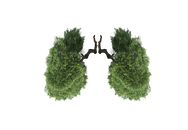
STress, anxiety and panic DISORDER
Learn how to manage stress, anxiety, and panic attacks by understanding how your body's autonomic nervous system works. |
|
Panic attacks
Did you know that taking a BIG deep breath makes anxiety and panic attacks worse!?

|
Taking a BIG deep breath is often advised to calm down during panic attacks, but it can actually worsen the situation. Research shows that BIG breathing and over-breathing plays a role in panic attacks and stress disorders.
Instead, a simple breathing exercise can be performed anywhere and at any time to help overcome a panic attack. |
When experiencing a panic attack, it's important to understand that it is not a sign of losing control but often a result of a chemical imbalance in the blood caused by hyperventilation. Breathing more can lead to decreased carbon dioxide levels, which reduces oxygen to the brain and triggers panic attacks.
To overcome a panic attack, it is recommended to sit down, adopt a relaxed upright posture, breathe in and out through the nose, focus on belly breathing, slow down breathing rhythm, and breathe less to restore brain oxygen levels. By retraining breathing patterns, symptoms can be controlled and prevented from recurring.
To overcome a panic attack, it is recommended to sit down, adopt a relaxed upright posture, breathe in and out through the nose, focus on belly breathing, slow down breathing rhythm, and breathe less to restore brain oxygen levels. By retraining breathing patterns, symptoms can be controlled and prevented from recurring.
stress and anxiety
At times, your body works on an unconscious level, allowing your heart to beat and lungs to breathe without your control. This responsibility falls to the autonomic nervous system (ANS), which manages crucial functions such as digestion, salivation, and sexual arousal. The ANS consists of two subsystems, the parasympathetic nervous system (PSNS) and sympathetic nervous system (SNS). The PSNS controls rest and relaxation, while the SNS is responsible for stress responses.
During our evolutionary history, our immediate bodily responses have helped us in dangerous situations. These responses, known as the fight or flight response, are brought about by the SNS and include physical reactions such as an increase in blood pressure, breathing rate, and a release of adrenaline. In prehistoric times, these responses were necessary to fight off predators, and once the danger had passed, breathing and heart rate would quickly normalise.
Modern-day stresses differ from those faced by our ancestors. They often do not include physical exercise, and they can last longer, causing serious implications on a person’s health. Habitual over-breathing is one of the most damaging symptoms of long-term stress. This occurs when stress is sustained, and breathing volume does not normalize, causing levels of carbon dioxide in the blood to lower. Too little carbon dioxide in the blood reduces blood flow, limiting oxygenation of the heart and brain, resulting in fatigue upon exertion, breathlessness, palpitations, excessive sweating, and chest pain.
When people are stressed, their breathing becomes faster, and they breathe from their upper chest. This habit of over-breathing results in a reduced level of carbon dioxide in the blood and thereby reduces oxygen levels in the brain. Stress causes us to breathe more, so taking a deep breath to calm yourself down just doesn’t make sense. Instead, slow, quiet, calm breathing that allows blood gases and operating systems to restore to normal is essential. People who are prone to panic attacks and anxiety tend to have dysfunctional breathing patterns, including irregular breathing and frequent sighing.
We can help individuals with anxiety and panic attacks by training them to breathe properly, restoring proper oxygenation to the brain and leading to a more relaxed and healthy life. Let us teach you how.
During our evolutionary history, our immediate bodily responses have helped us in dangerous situations. These responses, known as the fight or flight response, are brought about by the SNS and include physical reactions such as an increase in blood pressure, breathing rate, and a release of adrenaline. In prehistoric times, these responses were necessary to fight off predators, and once the danger had passed, breathing and heart rate would quickly normalise.
Modern-day stresses differ from those faced by our ancestors. They often do not include physical exercise, and they can last longer, causing serious implications on a person’s health. Habitual over-breathing is one of the most damaging symptoms of long-term stress. This occurs when stress is sustained, and breathing volume does not normalize, causing levels of carbon dioxide in the blood to lower. Too little carbon dioxide in the blood reduces blood flow, limiting oxygenation of the heart and brain, resulting in fatigue upon exertion, breathlessness, palpitations, excessive sweating, and chest pain.
When people are stressed, their breathing becomes faster, and they breathe from their upper chest. This habit of over-breathing results in a reduced level of carbon dioxide in the blood and thereby reduces oxygen levels in the brain. Stress causes us to breathe more, so taking a deep breath to calm yourself down just doesn’t make sense. Instead, slow, quiet, calm breathing that allows blood gases and operating systems to restore to normal is essential. People who are prone to panic attacks and anxiety tend to have dysfunctional breathing patterns, including irregular breathing and frequent sighing.
We can help individuals with anxiety and panic attacks by training them to breathe properly, restoring proper oxygenation to the brain and leading to a more relaxed and healthy life. Let us teach you how.
how we can help
We address all the pillars of breathing, including the biochemistry and mechanics. We develop personalised breath retraining programmes drawing on methods including Buteyko, yoga therapy and methods used in physiotherapy.
We offer individualised or small group coaching sessions. You can expect noticeable improvements from just two sessions and regular practise. Most clients get the best results from 5-6 sessions along with consistent practise between sessions. Whether you continue with us after that depends on your goals.
We offer individualised or small group coaching sessions. You can expect noticeable improvements from just two sessions and regular practise. Most clients get the best results from 5-6 sessions along with consistent practise between sessions. Whether you continue with us after that depends on your goals.
assessment
The first step is an extensive intake process, which allows us to get to know each other, as well as gather information about your holistic health history (physical, emotional and mental). We will also complete a structural assessment, check vital signs, assess your breathing patterns, and discuss your health goals.
Intake and assessment: 75-90 minutes | $130 NZD.
In person (if in Auckland), or online via video chat
(International clients: we accept Paypal and Bitcoin payments)
Intake and assessment: 75-90 minutes | $130 NZD.
In person (if in Auckland), or online via video chat
(International clients: we accept Paypal and Bitcoin payments)
program
We will then work together over an agreed period of time to create a customised practise for you. These sessions will take into consideration your needs, preferences and experiences in response to the tools we introduce. Homework and guided meditations may also be provided.
Each session will focus on addressing all levels of health and well-being, using postural correction techniques, breath retraining and breathing techniques, mindfulness, and guided meditation, all tailored to your unique needs.
Private in person or online Breathing to Heal Session: 1 hour 15 minutes $130 NZD
Corrective breathing mini sessions: 45 minutes $90
(International clients: we accept Paypal)
Each session will focus on addressing all levels of health and well-being, using postural correction techniques, breath retraining and breathing techniques, mindfulness, and guided meditation, all tailored to your unique needs.
Private in person or online Breathing to Heal Session: 1 hour 15 minutes $130 NZD
Corrective breathing mini sessions: 45 minutes $90
(International clients: we accept Paypal)
testimonials
"Danika is the best practitioner who I have ever worked with. I was diagnosed with glioblastoma almost a year and a half ago and had an awake brain surgery and radiotherapy and chemotherapy. My whole central nervous system needed gentle work even for the most simple movements. Danika is very careful that I fill my movements with tenderness and understanding as time is key to healing myself. Part of what really helps in this journey is a guided meditation which makes me feel very secure and part of the presence. This was difficult in the past, because I did different only aerobic yoga but didn’t understand the importance of the being in the present. After working with Danika I feel physically and emotionally stronger. Our sessions are such a lovely time of my week. Many thanks to Danika and I would recommend her to anyone.
Sandra, Ireland, UK
Sandra, Ireland, UK
"Finding Danika has been a real gift. I was new to yoga when I searched for a place to start and now I feel what I get from our sessions is invaluable. Each practice is healing and empowering in an environment that's professional, empathetic and caring. She seems to be able to effortlessly tune in to what I need, be it movement, stillness, focus or calm. I am very grateful to have met her and to be able to benefit from her vast experience and learning. Danika is one of those wonderful people that makes a difference. 🙏🧘♀️"
Sue, Auckland
Sue, Auckland
Working with you has been a game-changer for me! My asthma is totally gone, and I don't even need inhalers anymore! My sleep apnea and snoring are also way better. Plus, I've noticed other health improvements, and I think it's all because we changed the way I breathe. It's pretty amazing!
Cliff, Auckland
Cliff, Auckland
"I tell my friends that seeing you is like going on a retreat, but having an all in one place for body, mind and emotional healing. You always intuitively know what I need when I come through the door. Even with all the stress I’ve been through lately from the cyclone during our session today I felt completely relaxed like I was levitating."
Brenna, Auckland
Brenna, Auckland
|
|
LOCATIONSWe currently operate from Birkdale, Northcote, Kumeu and Ellerslie in Auckland. Breathing specialist consultations are also available online via Zoom and Skype.
|
FREE GUIDED MEDITATION TO CORRECT BREATHINGSign up to our mailing list and receive a link to your free 20-minute guided corrective breathing relaxation and begin your Breathing to Heal journey today.
|
|
|
“I offer you peace. I offer you love. I offer you friendship.
I see your beauty. I hear your need. I feel your feelings. My wisdom flows from the Highest Source. I salute that Source in you. Let us work together for unity and love.” – Mahatma Gandhi – |
breathing to heal &
YOGA WELLNESS CLINIC


Copyright | Yoga Wellness Clinic | Breathing to Heal | All Rights Reserved
Birkenhead and Birkdale, North Shore, Auckland, New Zealand | International Yoga Therapy
Birkenhead and Birkdale, North Shore, Auckland, New Zealand | International Yoga Therapy